Table of contents
Discover how specialized mulching equipment is transforming the landscape of ecosystem recovery efforts. This article delves into the innovative techniques and strategies that are redefining what is possible in restoring damaged environments. Uncover the ways in which modern technology accelerates plant regrowth and supports biodiversity, inviting you to learn more about the significant environmental benefits discussed in the following sections.
Understanding mulching equipment
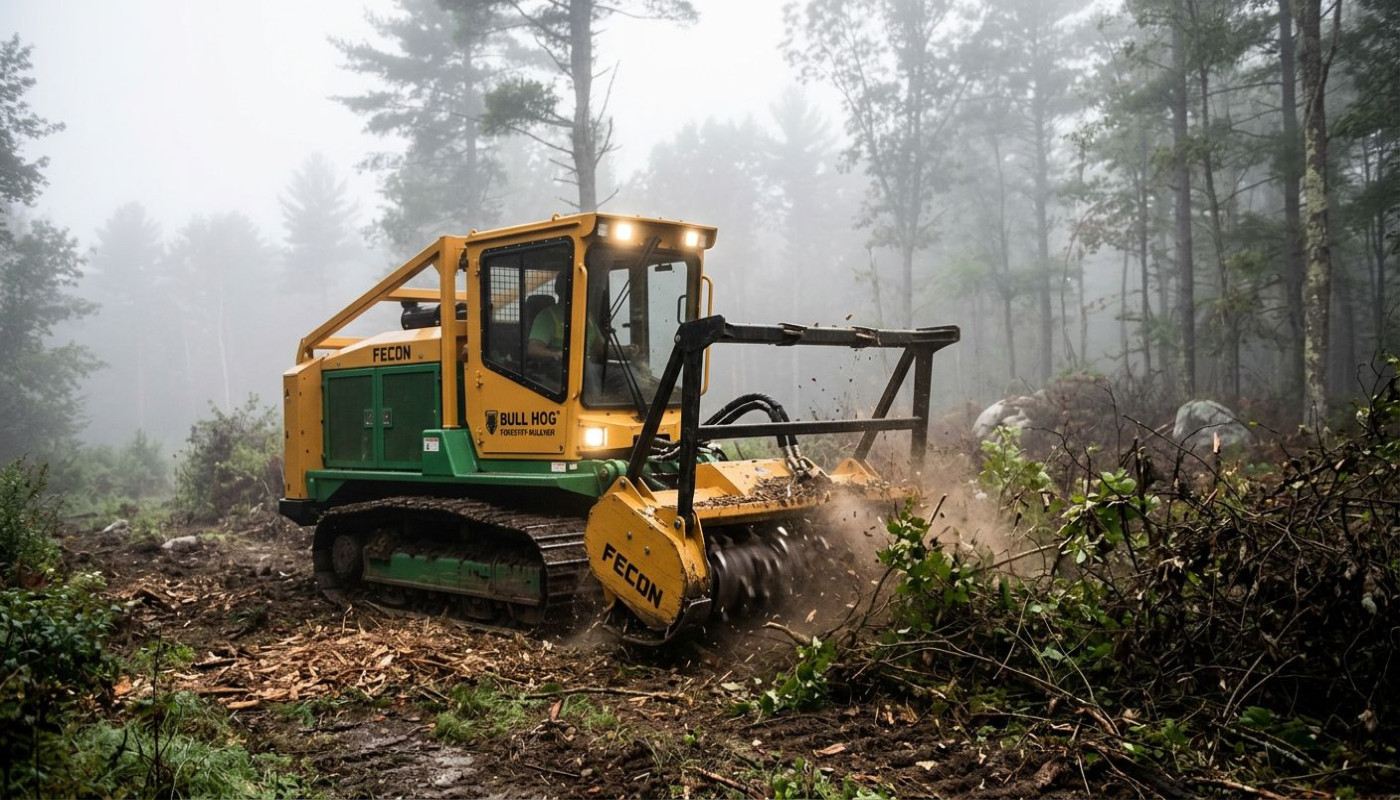
Specialized mulching equipment, particularly rotary mulchers, play a pivotal role in ecosystem recovery by transforming dense plant material into fine, nutrient-rich mulch. These machines utilize high-speed rotating drums equipped with robust teeth to shred vegetation, fallen trees, and underbrush directly on site. This process not only reduces bulk plant material but also accelerates natural decomposition, returning organic matter to the soil. The resulting mulch aids in soil stabilization by curbing erosion, retaining moisture, and fostering microbial activity, all of which are vital to effective vegetation management and habitat restoration.
Rotary mulchers come in various configurations—compact models for sensitive environments like wetlands and large, industrial units for expansive, degraded landscapes. Their adaptability allows for targeted ecosystem recovery efforts, whether clearing invasive species, preparing wildfire-prone areas, or rehabilitating overgrown habitats. By uniformly distributing mulch, this technology supports the reestablishment of native plant communities and provides a protective ground cover that shields emerging seedlings. Mulching equipment is instrumental in restoring ecological balance and promoting long-term sustainability of both soil and vegetation in diverse environments.
Benefits for soil health
Mulch application plays a pivotal role in supporting soil health during land restoration projects, especially when facilitated by specialized mulching equipment. Properly applied mulch serves as an effective soil amendment by increasing moisture retention, which helps prevent soil from drying out and supports the germination of native vegetation. Specialized machinery ensures even distribution, allowing for optimal soil coverage and reducing the risk of patchy areas where erosion control may be compromised. By maintaining a stable soil environment, these methods reduce surface runoff and limit soil particle displacement, minimizing nutrient loss and sedimentation in nearby water bodies.
Another significant advantage is the enhancement of organic matter. As mulch decomposes, it boosts organic content in the soil, fostering microbial activity that is vital for nutrient cycling and plant growth. This organic matter improvement is especially beneficial in disturbed or degraded landscapes, where natural soil fertility is often diminished. Using advanced mulching equipment accelerates the process of incorporating organic material into the soil profile, supporting the rapid reestablishment of healthy ecosystems. These benefits collectively make specialized mulch application an effective strategy for both immediate erosion control and sustained soil health, providing a strong foundation for successful land restoration and long-term ecosystem resilience.
Boosting plant and wildlife diversity
The use of specialized mulching equipment plays a pivotal role in ecological restoration by promoting plant diversity and supporting a variety of wildlife habitats. When mulch is strategically applied, it enhances soil moisture retention, regulates temperature, and suppresses invasive species, creating favorable conditions for native flora to thrive. This process leads to higher biodiversity index values, reflecting greater plant variety and structural complexity. As mulch decomposes, it further enriches the soil with organic matter, which supports insects, fungi, and microorganisms, forming the backbone of the food web and driving biodiversity enhancement.
The improved microhabitats generated by mulching offer shelter, nesting material, and food resources for a wide range of animal species, thus elevating wildlife habitat quality. Birds, small mammals, reptiles, and invertebrates benefit from the increased cover and available nutrients, promoting overall ecosystem functionality and broadening ecological services. Specialized equipment ensures mulch is distributed efficiently and uniformly, maximizing positive outcomes for plant and animal communities. For those seeking expert solutions and more details about advanced mulching technology, visit this link for further information on equipment supporting ecological projects.
Reducing invasive species spread
Specialized mulching equipment plays a pivotal role in habitat management by targeting invasive species that threaten ecosystem balance. Through mechanical vegetation control, these machines shred invasive plants and their seeds, significantly diminishing their ability to dominate and alter native habitats. By breaking up dense thickets and exposing the soil, mulching not only removes invasive growth but also changes the habitat conditions, creating opportunities for native plants to reestablish. Mulching can reduce the allelopathic impact of invasive species—where certain plants release biochemicals that suppress native plant growth—by physically disrupting their biomass and seed banks. For maximum effectiveness, best practices include timing treatments to coincide with vulnerable stages of invasive plant development, integrating mulching with follow-up monitoring, and quickly reintroducing native species to prevent recolonization. This integrated approach enhances long-term vegetation control, supports the recovery of native flora, and promotes a healthier, more resilient ecosystem.
Challenges and future perspectives
Mechanized restoration using specialized mulching technology faces several restoration challenges that can limit its widespread adoption and long-term effectiveness. Access to environmental machinery remains a barrier for many organizations, particularly in remote or resource-limited regions, where the high operational costs and maintenance requirements of such equipment can outweigh potential benefits. Additionally, improper use or selection of mulching technology may inadvertently damage native vegetation or soil structure, introduce invasive species, or alter hydrological cycles, raising environmental risks that must be managed through adaptive practices. Navigating regulatory frameworks and ensuring proper operator training are further obstacles to optimizing ecological outcomes.
Future trends point toward ecological innovation, with ongoing developments in sensor integration, autonomous machinery, and precision application techniques designed to minimize collateral impact and maximize restoration efficiency. Enhanced data analytics and remote monitoring could enable more targeted interventions, reducing costs while improving the sustainability of mechanized restoration efforts. Collaboration between manufacturers, land managers, and ecological scientists may drive the emergence of hybrid methodologies that blend traditional knowledge with advanced environmental machinery, promoting scalable, resilient recovery of degraded landscapes. Continuous innovation in mulching technology promises to address current limitations and expand the toolkit available for effective ecosystem restoration in diverse settings.
Similar

Revolutionizing Urban Spaces With Rooftop Gardens

Exploring Underwater Living: Architectural Marvels
Revolutionizing Urban Spaces With Rooftop Gardens

Renewable Energy Sources Revolutionizing Home Construction
